Written by Anjali A. Mehta
There are moments in life when the world goes quiet enough for you to hear your own breath again. Mine came on a mountain.
Two years ago, on a windswept ridge on the highest mountain in South America, I finally felt strong and powerful in my own body after feeling small and fragile for years. I was a lawyer, an advocate, a survivor of gender-based violence, and a woman carrying stories I didn’t yet know how to share. I understood violence, injustice, and the weight of silence on paper, but not in my bones.
It took years to learn that healing just as much a physical journey as a mental one. In fact, healing happens in the body first.
Coming Back Into My Body
After an assault, the body becomes a place we often leave without realizing it. We stay busy, we get louder, we get more accomplished, more driven, and more successful, but less present. I remember not even being able to recognize my own body in the mirror anymore.
It was movement that allowed me to return to myself.
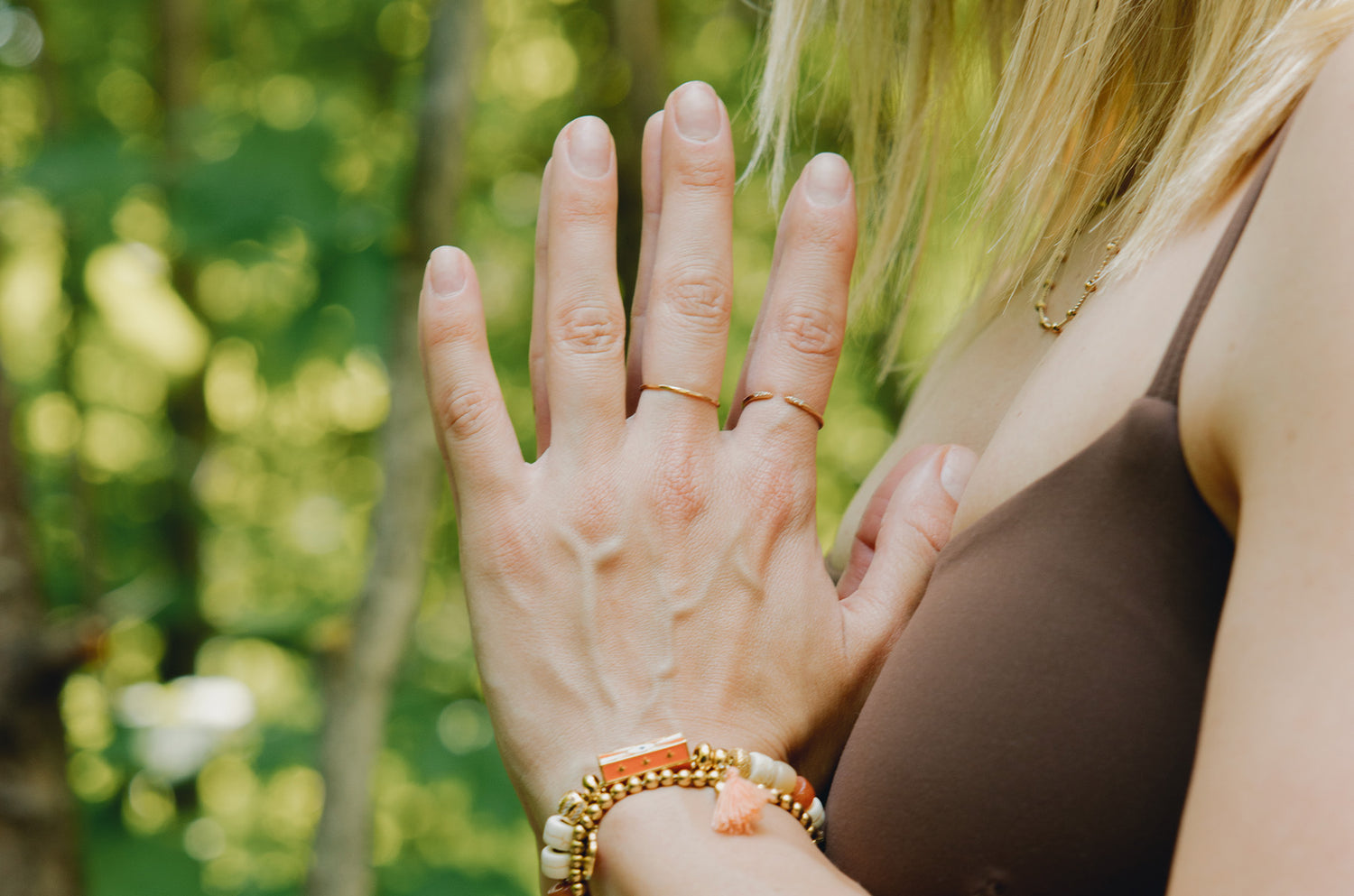
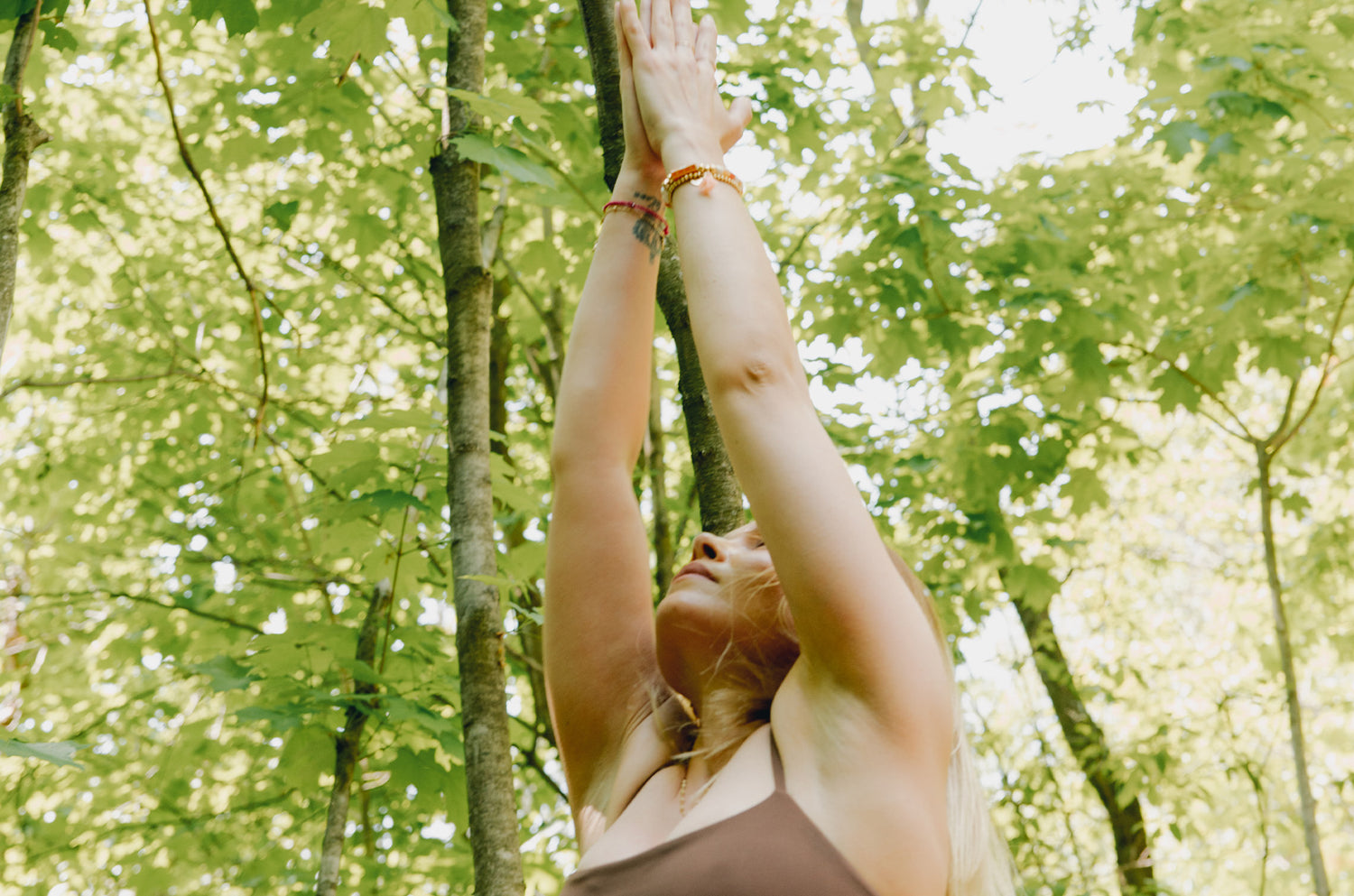
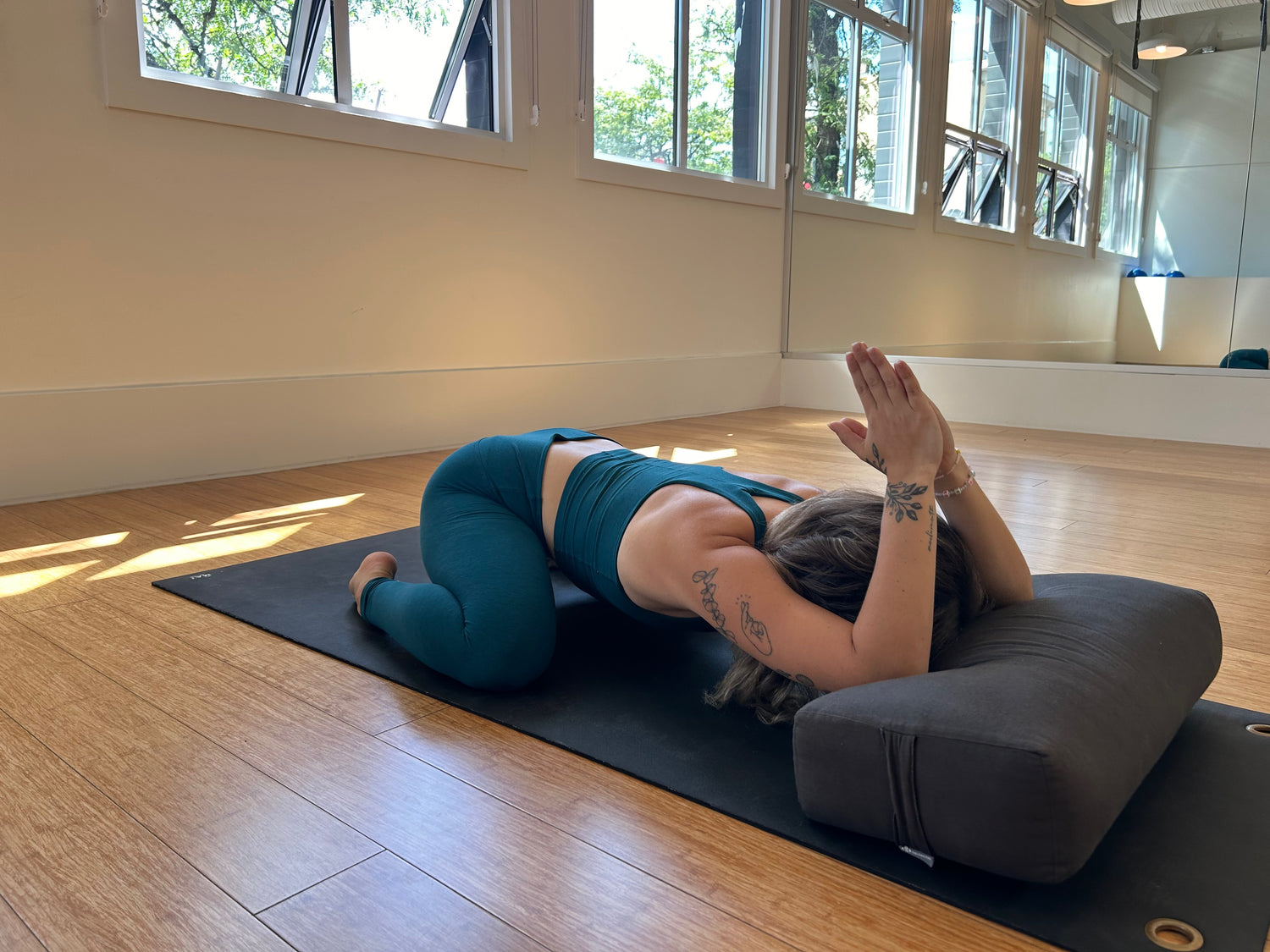
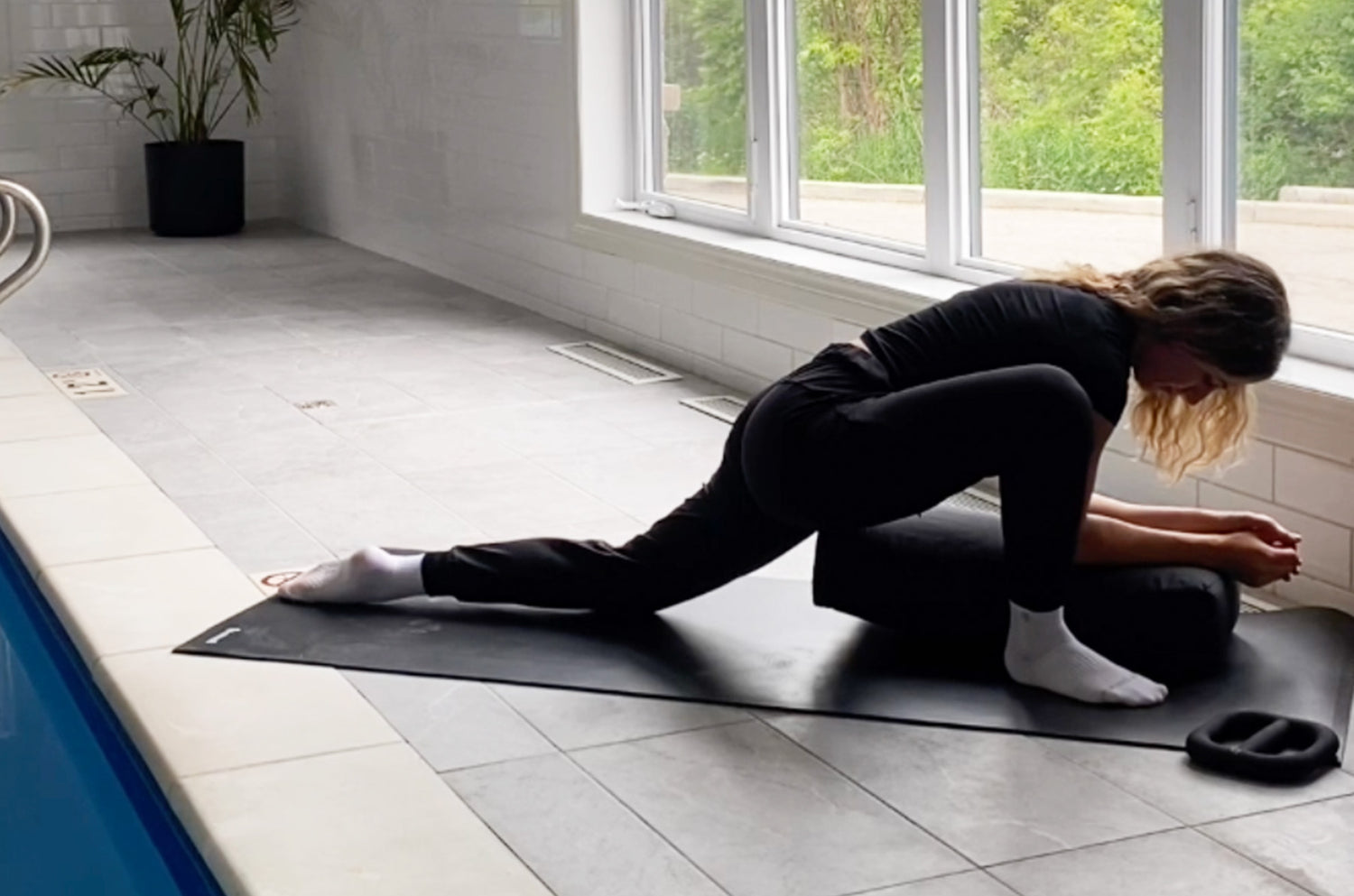
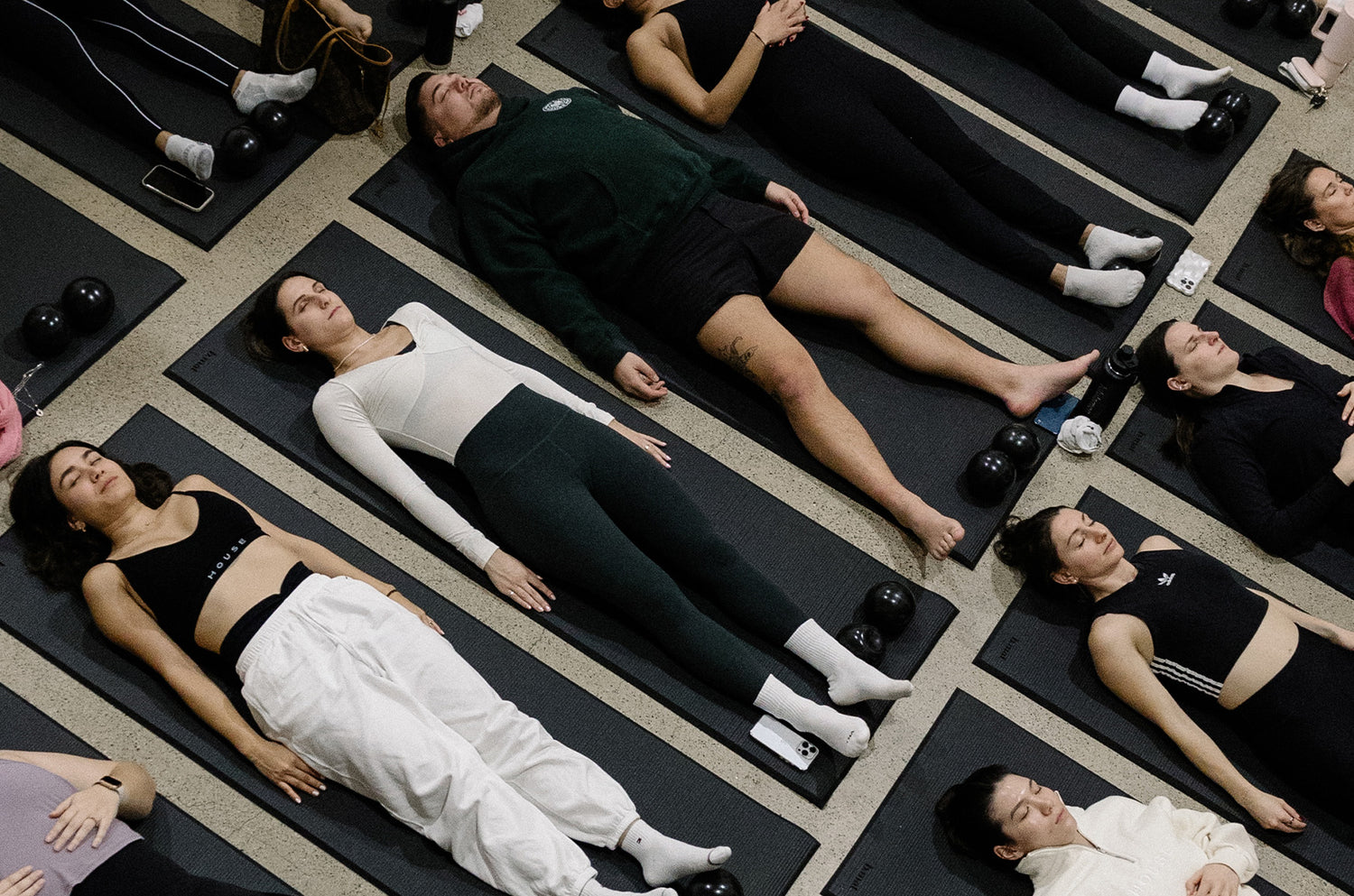
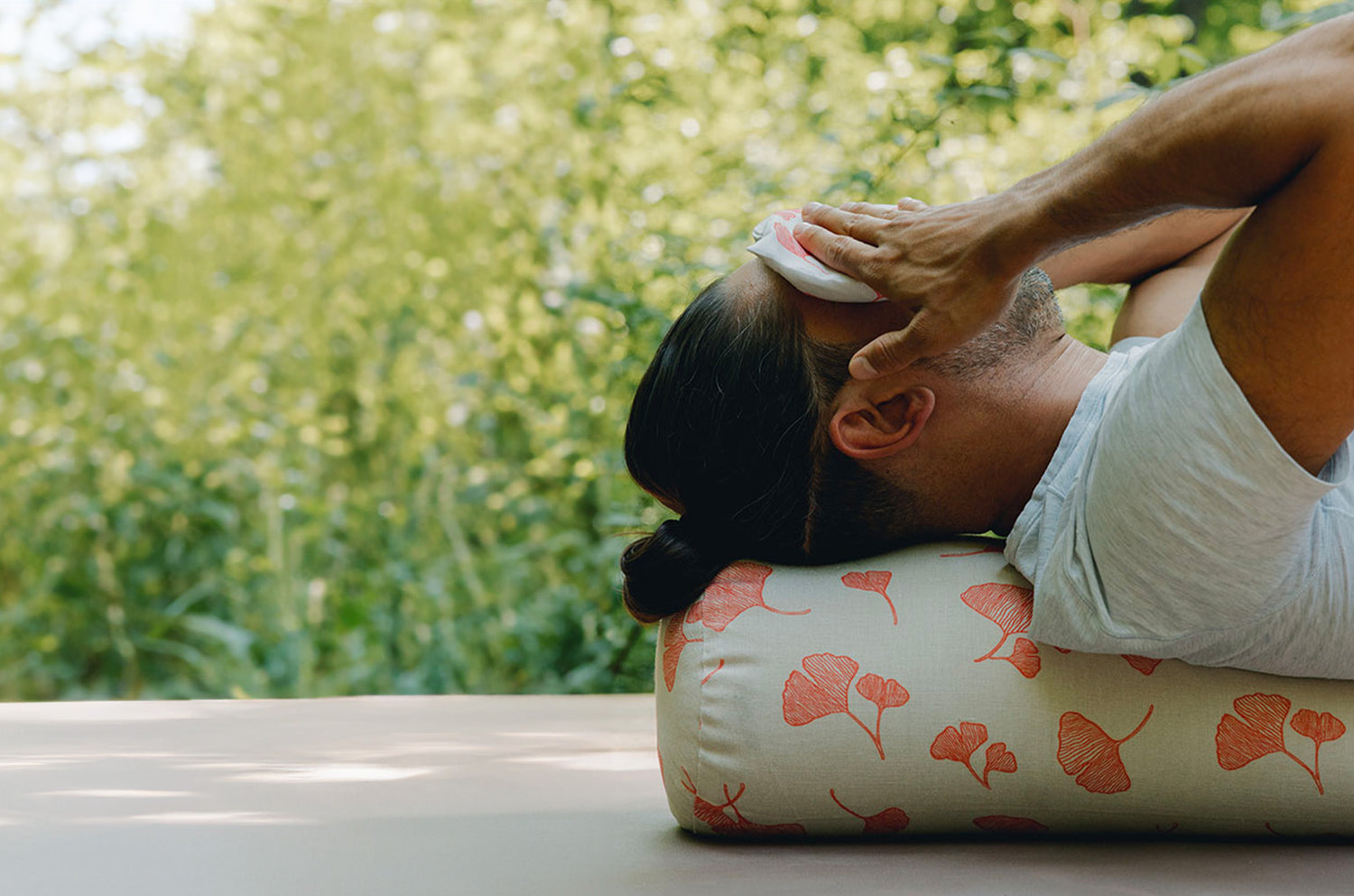
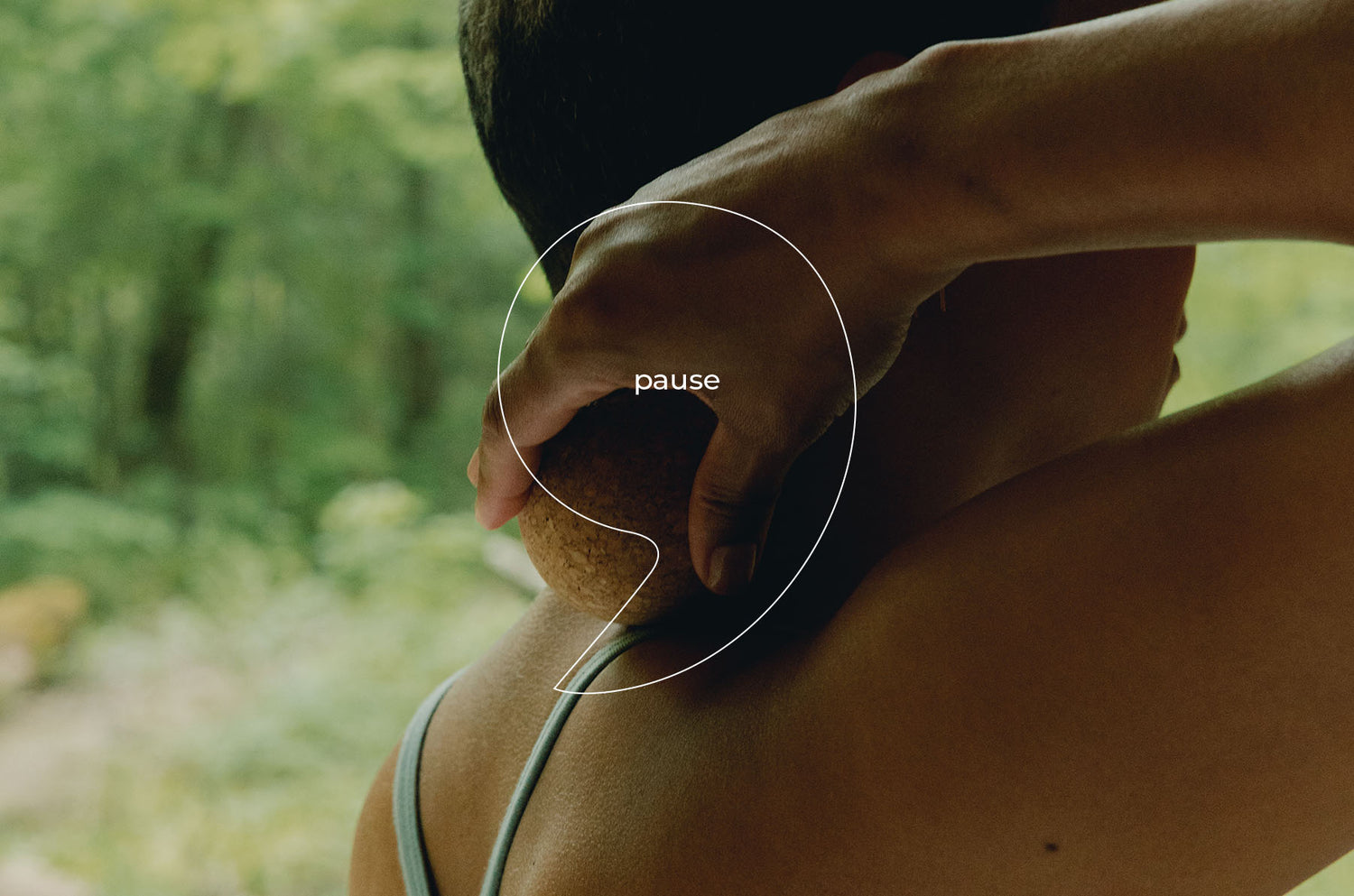
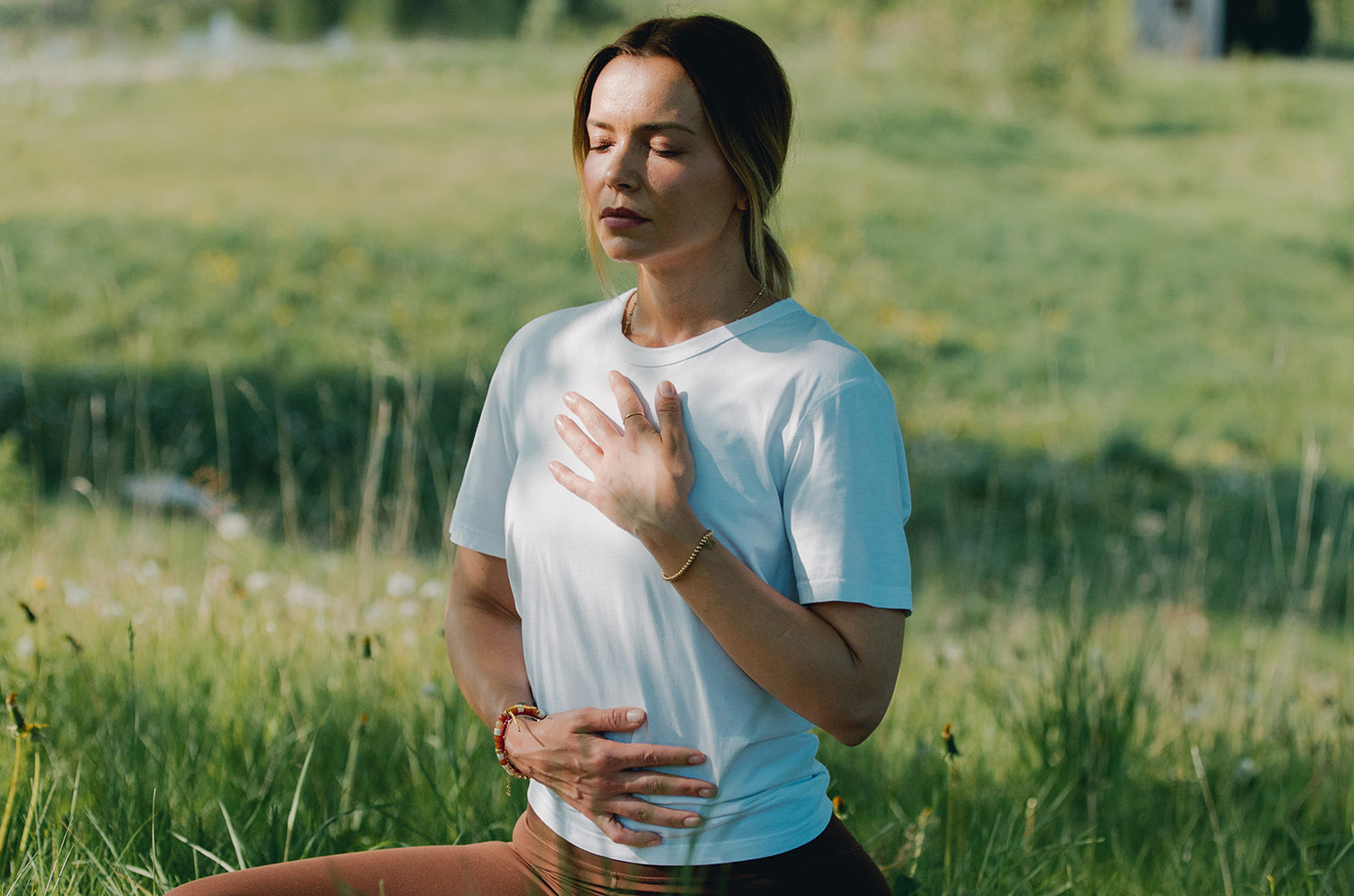
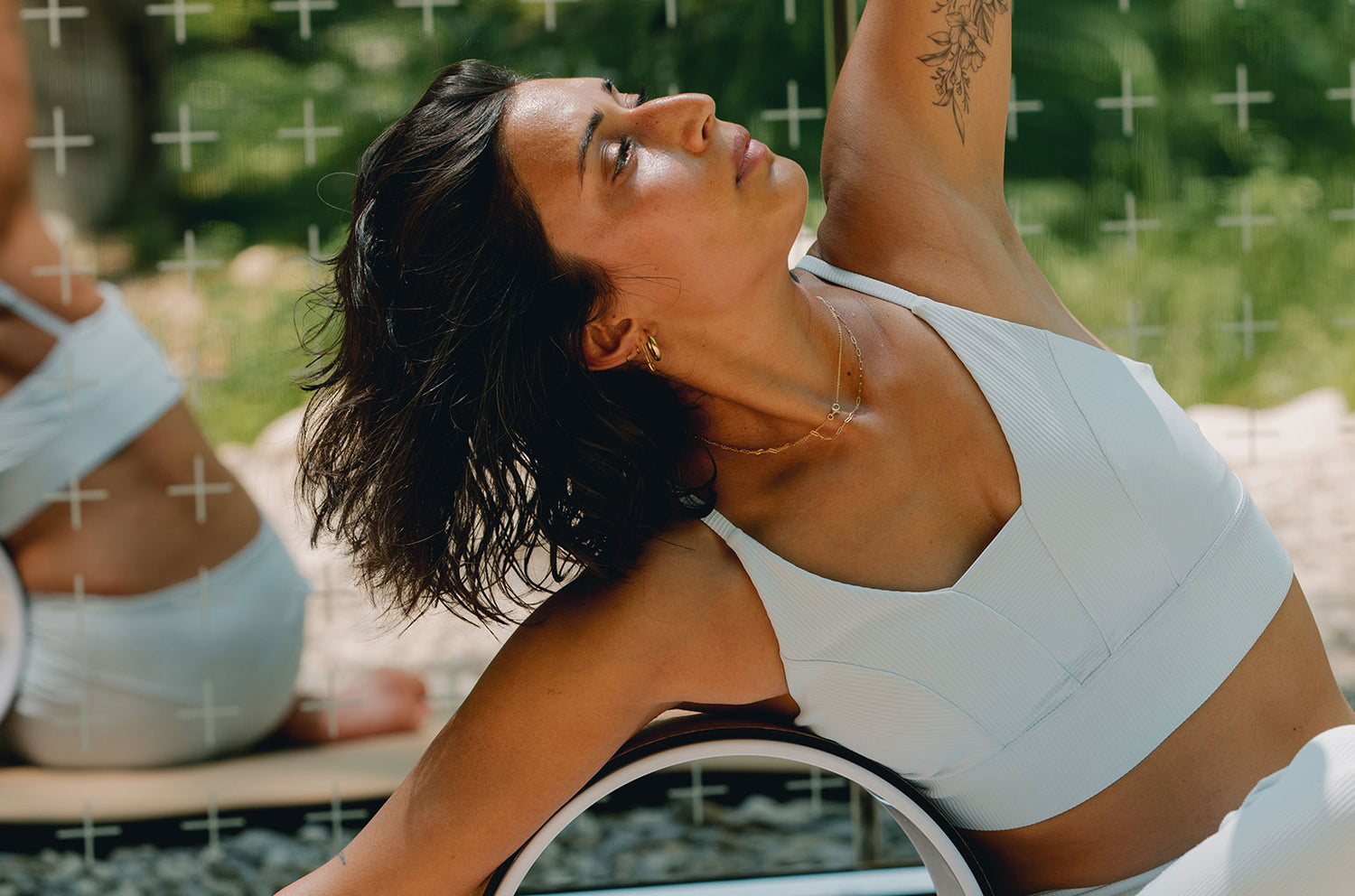
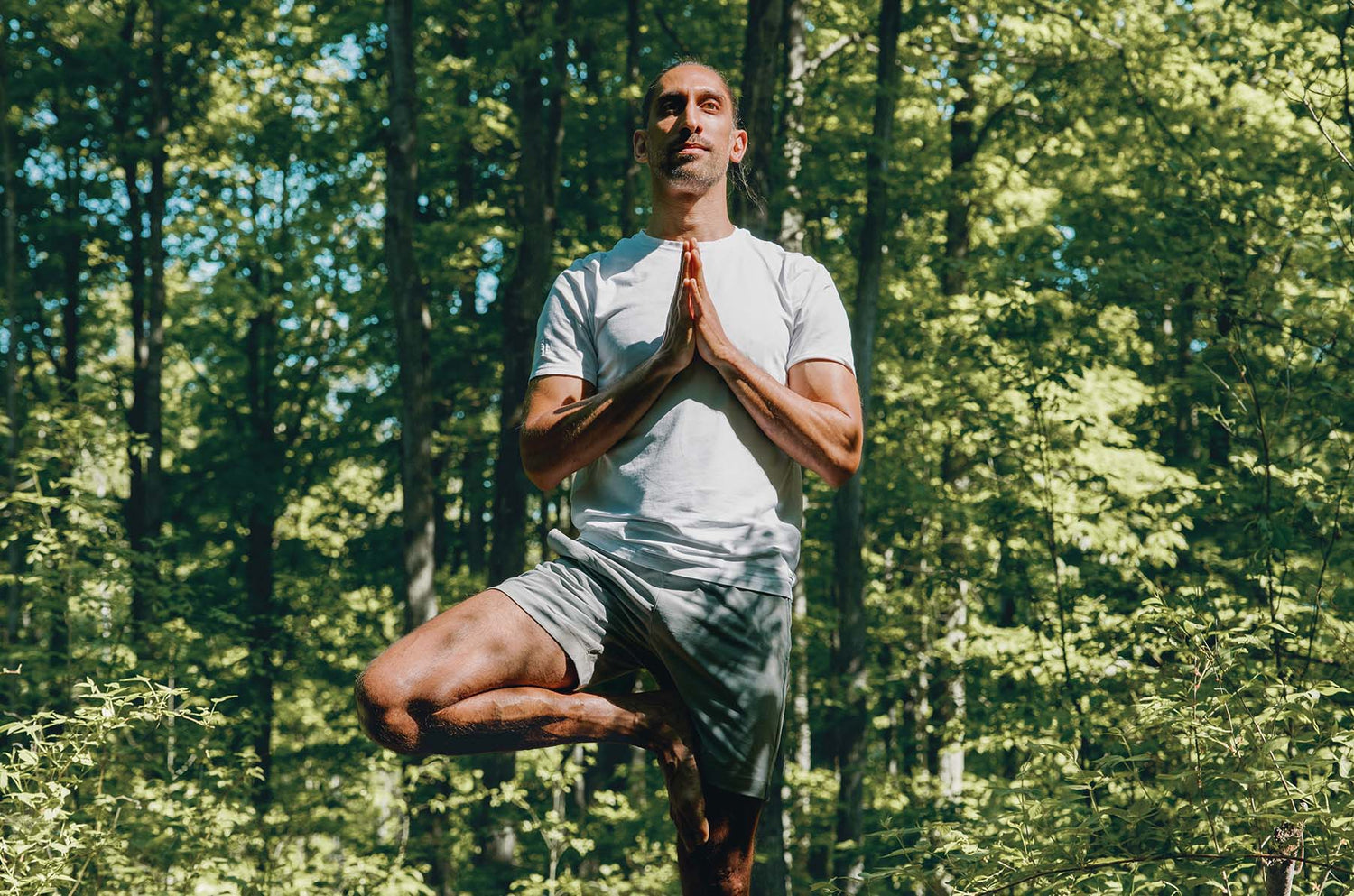
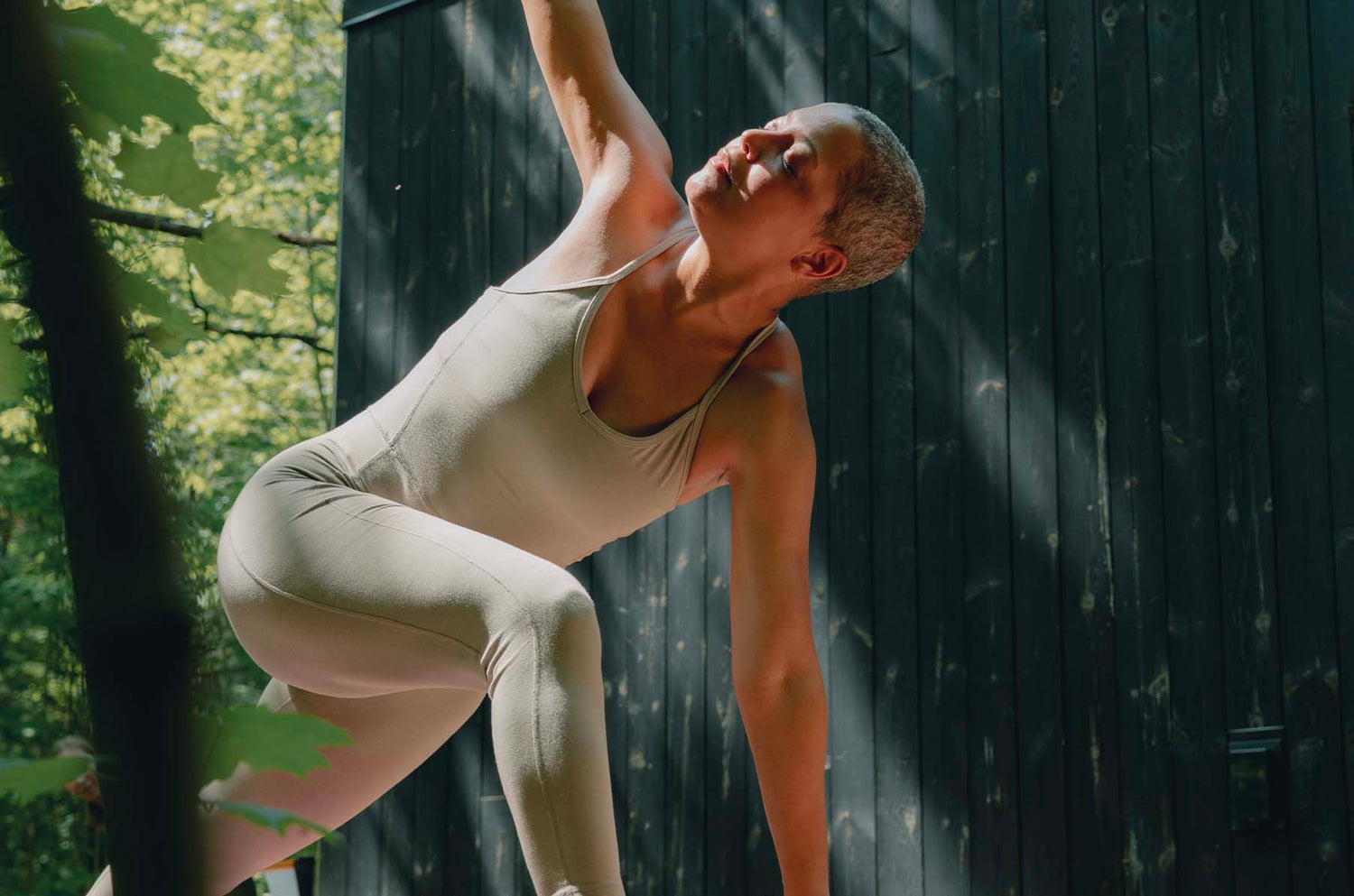
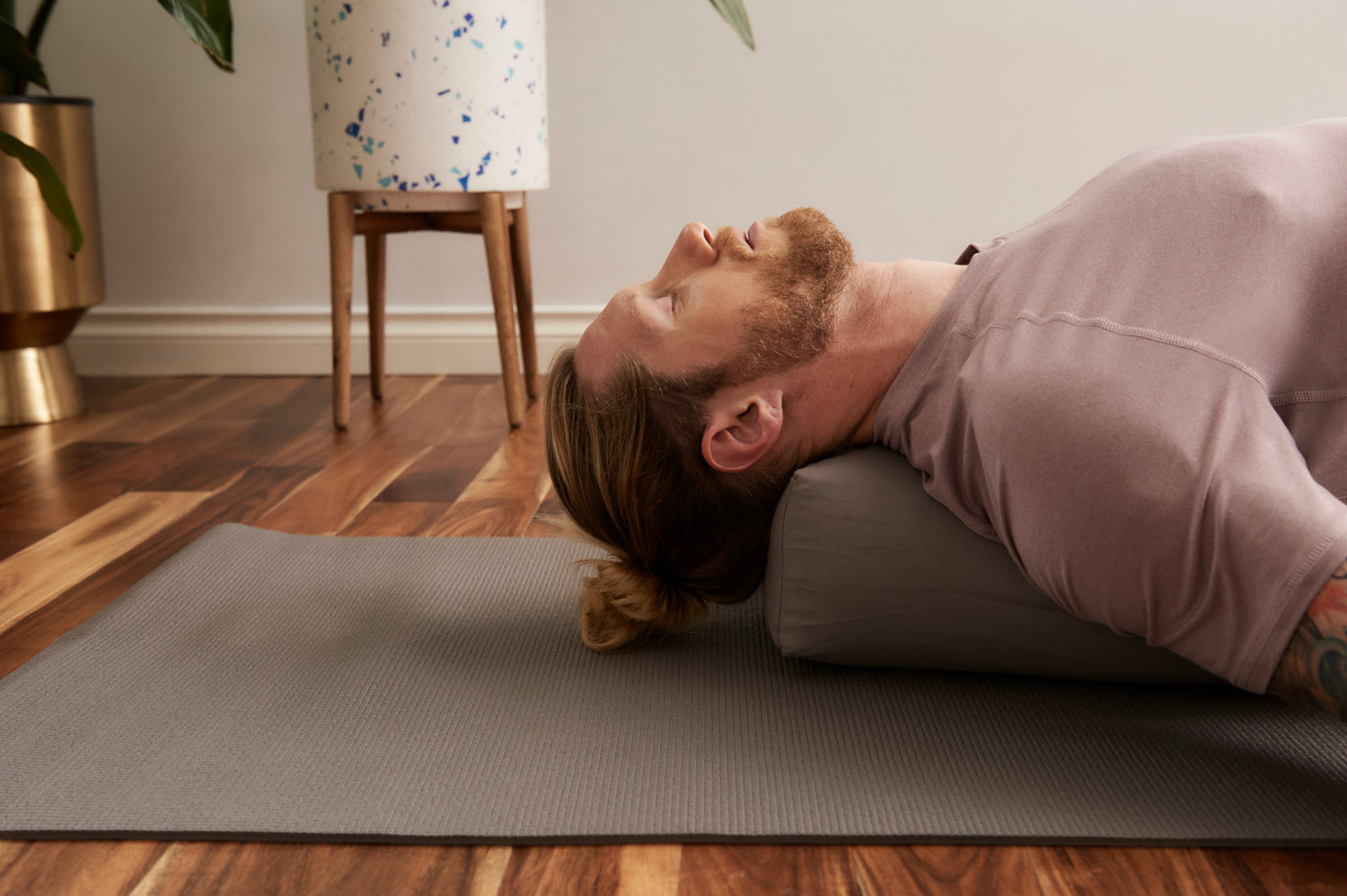
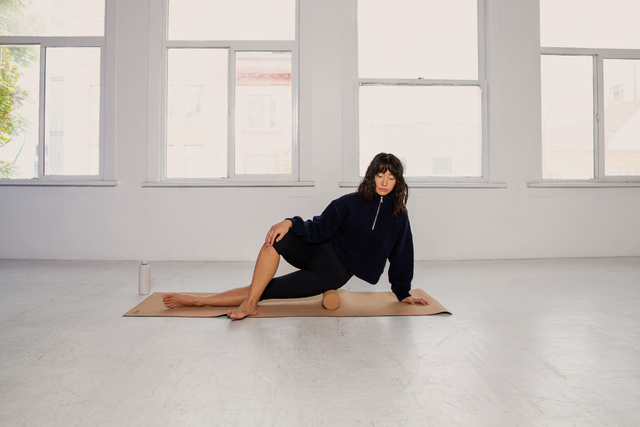
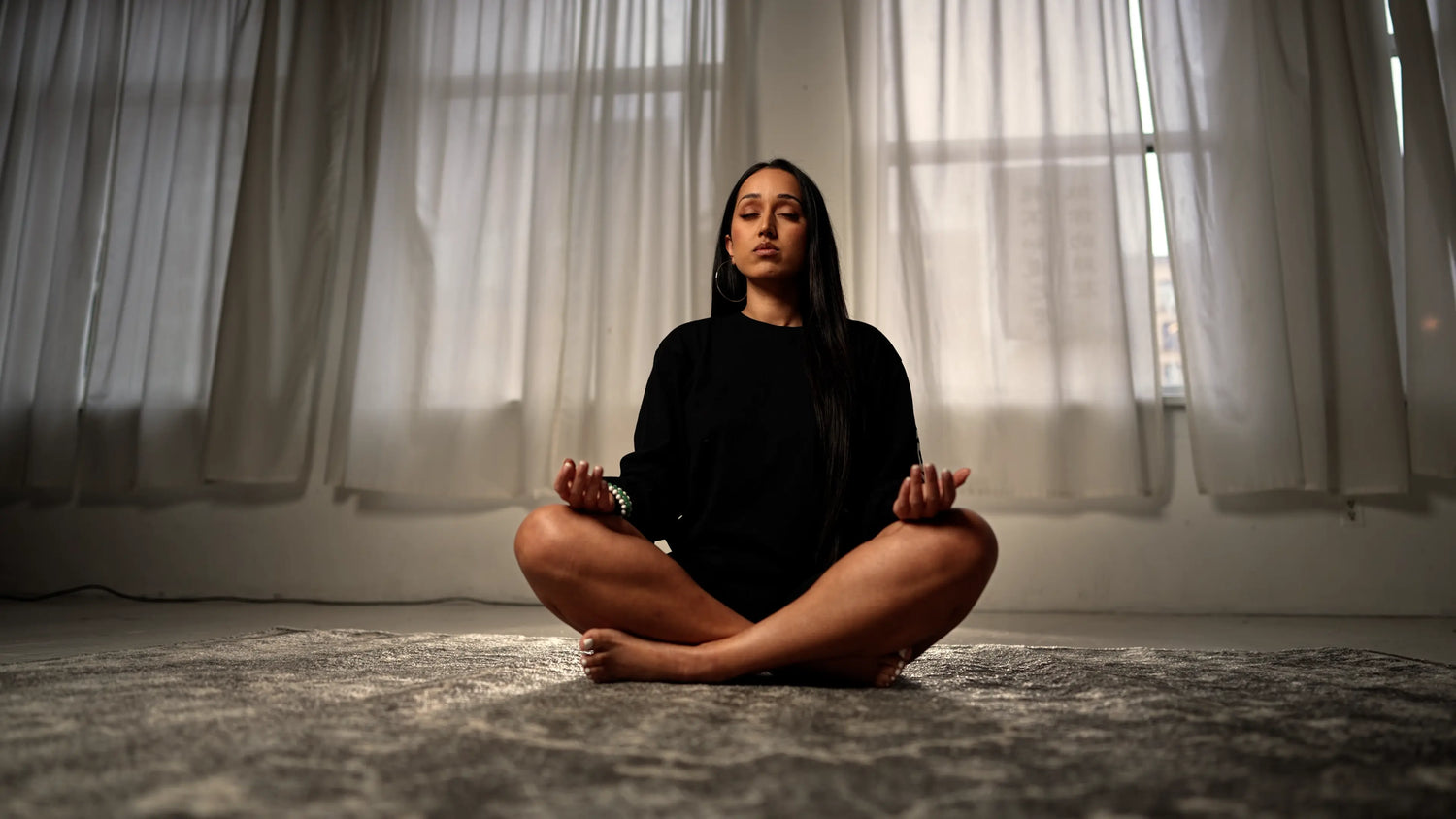
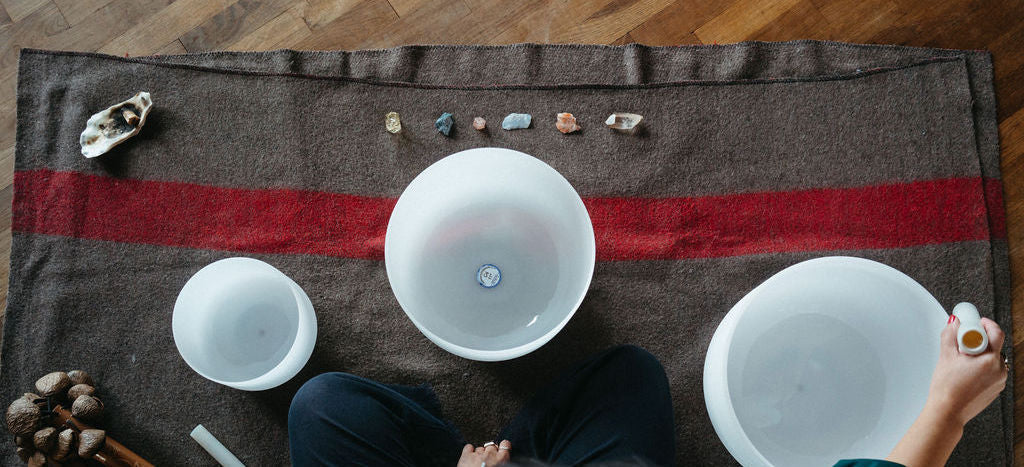
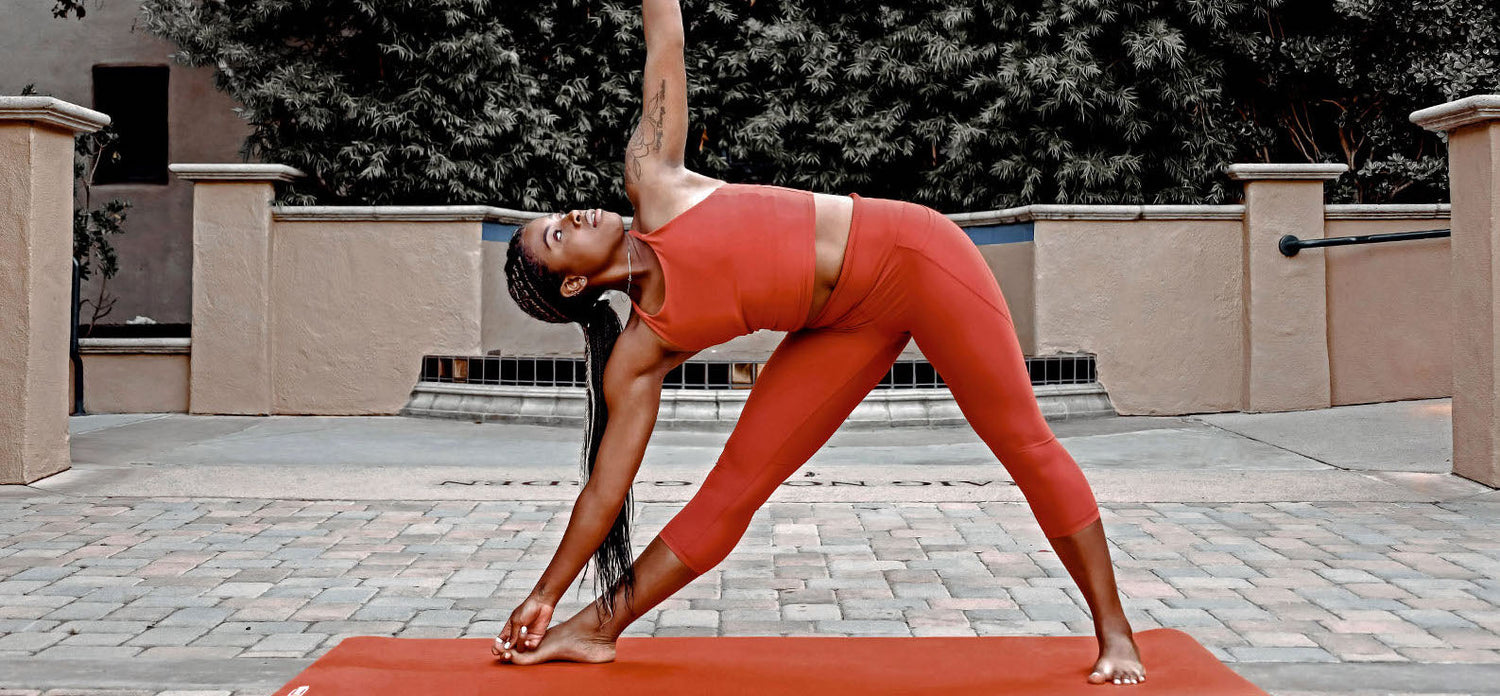
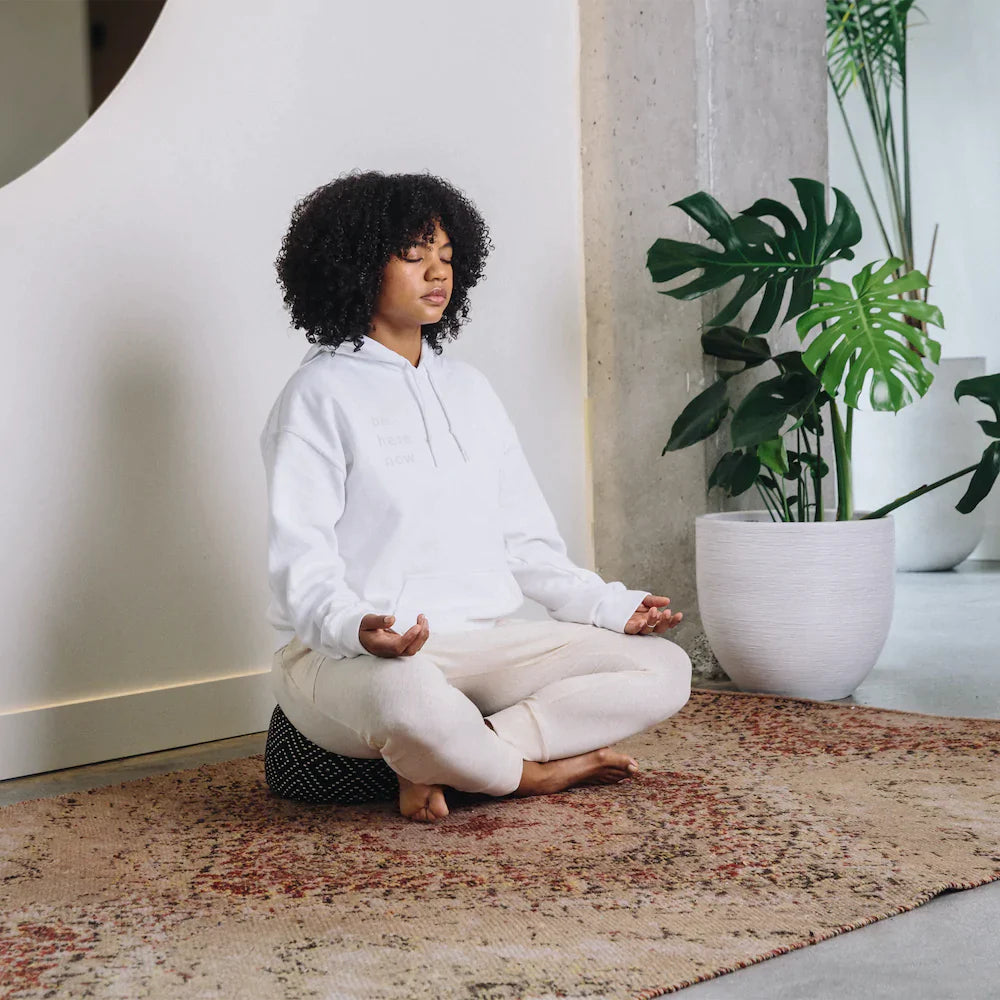
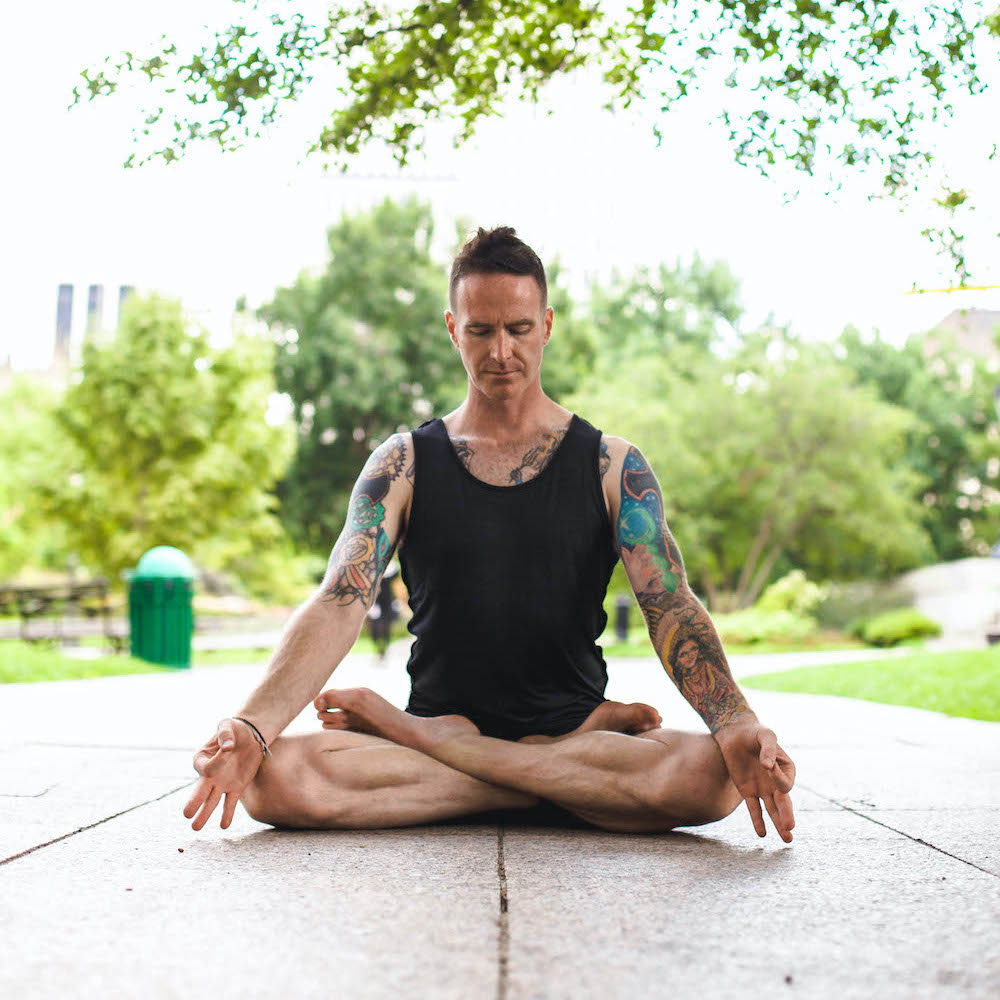
Breathwork softened the armor I had built around my ribs. Somatic practices helped me feel my spine again. Simple, slow movements, like rolling my shoulders back, opening my chest, or grounding my feet, taught me that safety in my body could be relearned. Movement showed me that vulnerability was not a liability, but a source of strength.
From One Mountain to a Movement
What began as personal healing has now become Survivors to Summits, my project to climb the highest mountain on each continent while raising awareness and $1 million dollars to combat sexual and gender-based violence globally. Each climb is dedicated to a pillar of impact: common themes that a decade of work with survivors have illuminated.
The theme of this Antarctica climb—vulnerability—might be the most important one yet.
In a world that rewards perfection, certainty, and speed, vulnerability asks us to slow down. To breathe. To feel. To let people in. These are skills we rarely practice, but desperately need if we’re going to reshape systems that have failed survivors for generations.
Every mountain teaches me the same lesson: you cannot climb alone. You cannot build movements alone. You cannot heal alone. It’s why vulnerability is so important.
Why I’m Bringing Somatic Practice to Antarctica
As I step into the final preparation window for my upcoming expedition to Mount Vinson, I’ve been thinking a lot about what it means to carry breath and movement into the most remote continent on earth.
Antarctica is quiet. Antarctica is humbling. Antarctica demands presence.
I am sure that I will be using somatic practices throughout the climb to stay grounded in the cold, the altitude, the uncertainty, and in the story I’m carrying for millions of survivors who deserve to feel held and heard. I want to show the world that even in the most remote corners of the planet, our stories, our humanity, our vulnerability, connect us.
These tools aren’t just for extreme environments. They’re for boardrooms, classrooms, living rooms, and the quiet corners where people hold their fear alone. They’re for any moment where courage and softness coexist.
Reclaiming Vulnerability as Strength
For survivors, vulnerability isn’t a buzzword. It is the moment we choose ourselves again. It is the decision to return to the body, to speak truth, to trust that our stories matter.
Through the Survivors to Summits initiative and through my larger work building the What Is the Power of We global digital hub (you can read more about it at our website here), I’m committed to creating spaces where vulnerability is celebrated, not punished. Where community carries the weight together. Where healing is collective.
My hope is that this Antarctica climb, and the storytelling, movement practices, and conversations around it, invites more people to see vulnerability not as exposure, but as possibility.
The Vulnerability Fund: Fueling This Work
This year we launched the Vulnerability Fund, a community-supported fund that powers every aspect of Survivors to Summits:
-
survivor storytelling for healing workshops around the world
-
capacity-building for grassroots GBV organizations
-
digital tools for reporting, resources, and community support
-
the building of a global hub for survivors and advocates
You can donate here.
Every contribution, big or small, helps make this work possible. Every donation is a vote for the world we’re trying to build: one where vulnerability is met with safety, where survivors are believed, and where collective action becomes the engine of transformation.
The Journey Ahead
As I approach my departure, I’m grounding myself again in breath and movement, the practices that brought me home to my body and continue to guide my advocacy. I’m inspired by the survivors I’ve met on mountains, in asylum interviews, across continents, and in quiet moments over tea. Their stories, our stories, are the reason I climb. Their strength is the reason I return each time.
My goal is simple:
To build a world where survivors don’t have to carry their stories alone.
To show that courage can be soft.
That movements begin with breath.
And that vulnerability—real, embodied vulnerability—just might be the most powerful force we have.